An outdoor wooden railing is exposed daily to rain, sun, cold, and moisture. Over time, this takes its toll on the surface: the paint peels, the wood cracks, and it takes on a grayish hue.
Repainting your railing or fence in a timely manner is therefore not just a matter of appearance. Proper maintenance protects the wood, reduces the risk of rot, and helps the entire structure last longer.
In this guide, we’ll walk you through how to paint an outdoor wooden railing step by step: when it’s time to repaint, how to clean, sand, and prime, what to keep in mind for pressure-treated wood, and how to choose between oil, wood stain, and paint.
This guide is suitable whether you have a patio railing, stair railing, balcony railing, wooden fence, or an existing or homemade railing that needs new protection.
When is it time to repaint a wooden railing?
There are some clear signs to look for. If you notice peeling paint, a grayish surface, cracks, or soft wood, you should inspect the wooden railing before the damage gets worse.
| Characters | What that means | Action |
|---|---|---|
| Peeling paint | The adhesion has weakened, leaving the wood less protected. | Scrape, sand, and repaint. |
| Gray surface | The sun and the weather have broken down the surface layer. | Wash, sand, and re-treat the surface. |
| Small cracks in the wood | The wood dries out and may begin to absorb more moisture. | Repaint before the water penetrates deeper. |
| Soft wood at the base of the post | Rot may have started in the most exposed part. | Replace any damaged parts. Do not paint over rot. |
| Water pools | The protective coating is often particularly worn on crossbeams and horizontal surfaces. | Iron the top side more thoroughly. |
| Mold spots or discoloration | Moisture, shade, and dirt have accumulated on the surface. | Use a paint cleaner or facade cleaner before painting. |
This applies whether you have a patio railing, stair railing, balcony railing, or wooden fence. Both untreated and previously painted wood can be painted, but the surface must be clean, dry, and free of loose paint.
Can you paint pressure-treated lumber?
Yes, but not exactly. Painting pressure-treated wood too soon is one of the most common reasons why the paint doesn't adhere properly and starts to peel.
New pressure-treated wood contains moisture from the treatment process. If you paint it before the wood has dried thoroughly, the moisture will be trapped inside, which can cause the paint to peel as early as the first season.
Therefore, let the wood dry and be exposed to the elements before painting it. How long this takes depends on the size of the wood, the weather, and its location, but for new pressure-treated wood, it often takes about one season.
How to Paint a Wooden Railing – Step by Step
A good result starts with the preparatory work. Cleaning, sanding, and priming determine how well the paint adheres and how long the railing or fence will last.
Clean thoroughly
Use a paint stripper or facade cleaner to remove dirt, algae, and mold spores. Rinse thoroughly and let the wood dry completely before continuing.
If you use a pressure washer, keep the pressure low so that the wood fibers aren't damaged.
Sand the surface
Sandpaper with a grit of 80–120 removes wood splinters, uneven surfaces, and loose paint. Be especially thorough in corners, along edges, and around screws.
Brush or wipe away all sanding dust before applying a coat of primer.
Prime the wood
Choose an exterior primer that matches the topcoat. On untreated wood and exposed areas, a penetrating primer may be needed first.
Pay special attention to end grain, posts, and other parts where moisture can easily penetrate.
Paint with opaque paint
Use a paint designed for outdoor use, such as water-based acrylic paint or alkyd oil paint. Paint in the direction of the wood grain and apply thin, even coats.
Two coats are usually the standard. Always follow the drying times on the paint can.
Check and complete
Once the paint has dried, go over the railing one last time. Be sure to apply an extra coat to the crossbar, where water often pools.
At the same time, check screws, fittings, and parts that may need to be replaced before they cause more serious damage.
Paint the end grain first and apply a generous coat. That’s where water is absorbed the fastest, and it’s often where rot begins. The same applies to the underside of the crossbar, which is easily overlooked but is exposed to a lot of moisture.
Oil, glaze, or opaque paint for fences and railings?
The choice depends on how you want the wood to look and how often you want to maintain it. Wood oil preserves the natural look of the wood, wood stain provides pigmented protection, and paint offers the most opaque finish.
| Compare | Wood Oil | Glaze | Topcoat |
|---|---|---|---|
| Appearance | A natural look where the grain is clearly visible. | A pigmented surface where the wood's grain is still visible. | Completely covers the wood and gives it a more painted look. |
| Protection | Provides basic protection against dryness, but needs to be reapplied frequently. | Provides good intermediate protection against the weather, sun, and moisture. | It provides the strongest protection when the preparatory work is done correctly. |
| Roughly speaking | Usually about a year, depending on the location and wear and tear. | Often up to a few years, depending on the product and weather conditions. | It can last a long time—often many years—if the surface is cleaned and painted properly. |
| Maintenance | This usually needs to be redone every year. | Should be reviewed every few years. | Requires minimal ongoing work, but more preparation when the time comes. |
| Best suited for | For those who want to preserve the natural feel of wood. | For those who want a hint of color but still want to see the wood grain. | For those who want to paint a fence or wooden railing with a more long-lasting finish. |
If the wooden railing or fence has been painted with opaque paint in the past, it is difficult to switch back to a glaze or oil-based finish. In that case, the old paint must be completely removed for the treatment to work as intended.
How much does it cost to repaint a wooden railing, and is the RUT tax deduction applicable?
If you're painting yourself, the main costs are materials and time. You'll need to budget for paint stripping or exterior wall cleaning, sandpaper, primer (if needed), base coat, topcoat, paintbrushes, and drop cloths.
The cost is also affected by how worn the railing or fence is. Peeling paint, cracks, mold spots, and a lot of weathered wood take longer to prepare than a surface that just needs to be washed and repainted.
If you hire a painter or contractor, labor costs are often the largest portion of the total expense. In that case, the condition of the surface, the number of meters of railing, and how easy it is to access the area will be decisive factors in determining the price.
Tips for Best Results
Even the right paint can have a shorter lifespan if you paint at the wrong time or rush through the prep work. Weather, drying time, and good tools make a big difference.
- Paint in the Right Weather
- It should be dry when you paint, and preferably between 10 and 25 degrees. Cold, humid, or very hot air can affect both the drying time and the final result.
- Avoid direct sunlight
- If you paint in strong sunlight, the paint may dry too quickly on the surface. This can result in poor adhesion, blistering, and an uneven finish.
- Use good brushes
- A good-quality paintbrush holds more paint and makes it easier to paint evenly without streaks. Choose a paintbrush based on the type of paint and the details of the railing.
- Protect the Environment
- Cover the ground, deck, facade, and plants before you begin. Paint splatters on decking, stone, and plants can be difficult to remove later.
Always follow the paint manufacturer's instructions regarding temperature, drying time, number of coats, and the types of surfaces the product is suitable for.
Tired of repainting? Maintenance-free alternatives
A freshly painted wooden fence or railing looks beautiful, but the work will have to be done again. For those who want to avoid the hassle of repeated cleaning, sanding, and painting, there are railings that don’t need to be repainted.
Replace the material in the most exposed areas
Low-maintenance railings are most useful where the wood is subject to the most wear and tear: on posts near the ground, on south-facing patios, and on balconies or stairs that are hard to reach.
- Aluminum Railings
- An easy-to-maintain choice that doesn’t need to be repainted. Aluminum is a great choice for those who want a sturdy patio railing, balcony railing, or fence that’s durable and easy to maintain.
- Glass railings
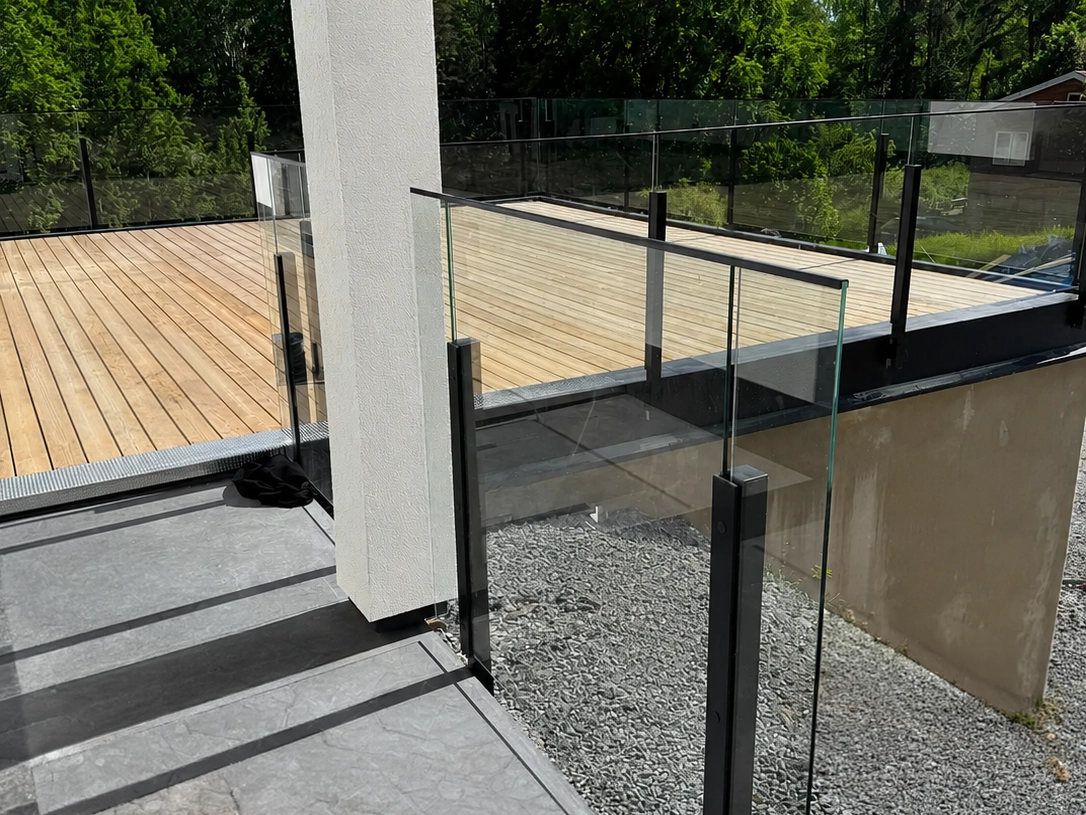
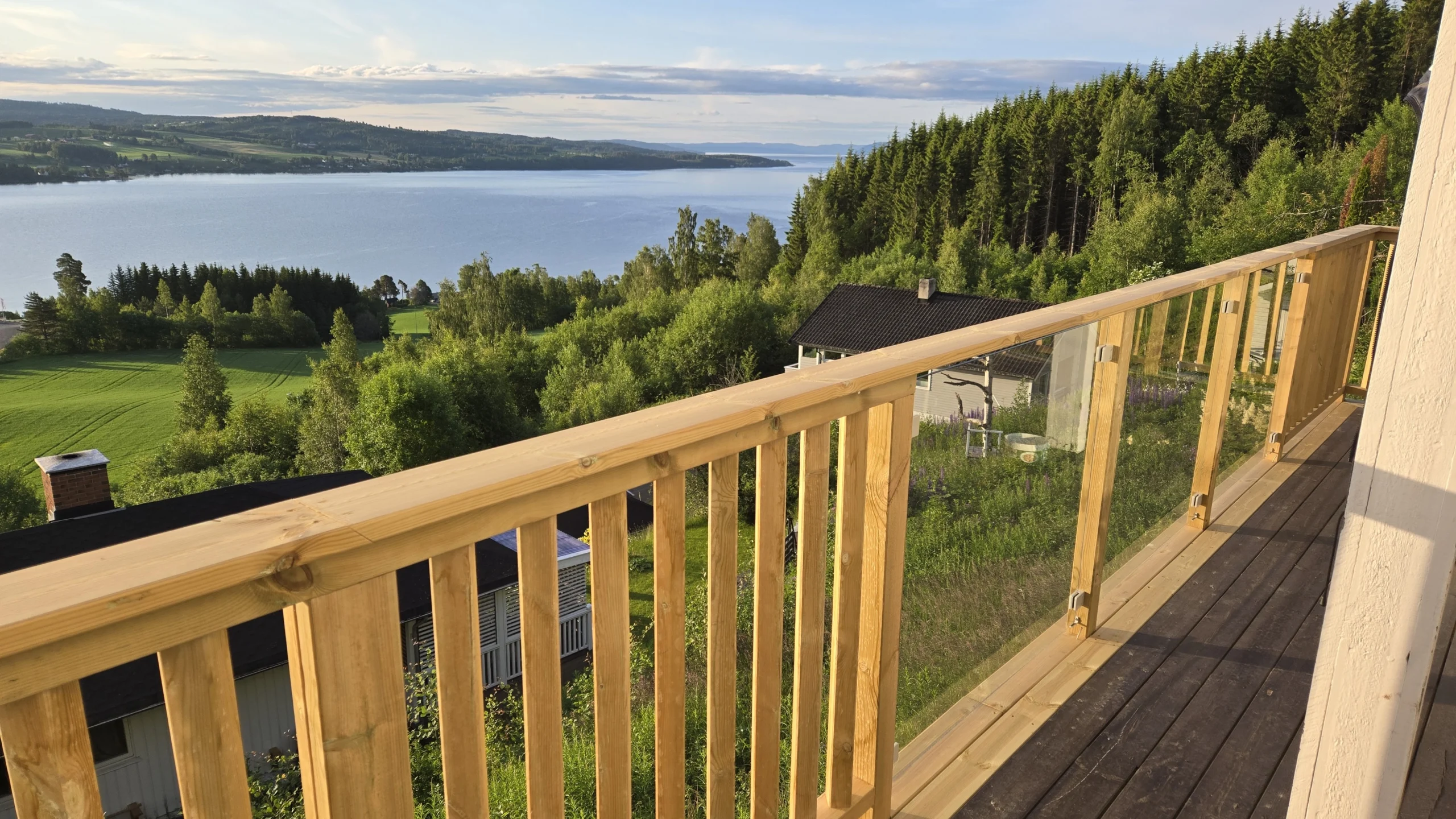
- It lets in light, provides an unobstructed view, and has a modern look. A glass railing for a patio or balcony doesn't need to be painted; it can be cleaned much like a window.
- Stainless steel
- Ideal when you want a durable railing with a timeless look. In exposed environments, such as near the coast, the right quality and craftsmanship are especially important.
- Combination of wood and metal
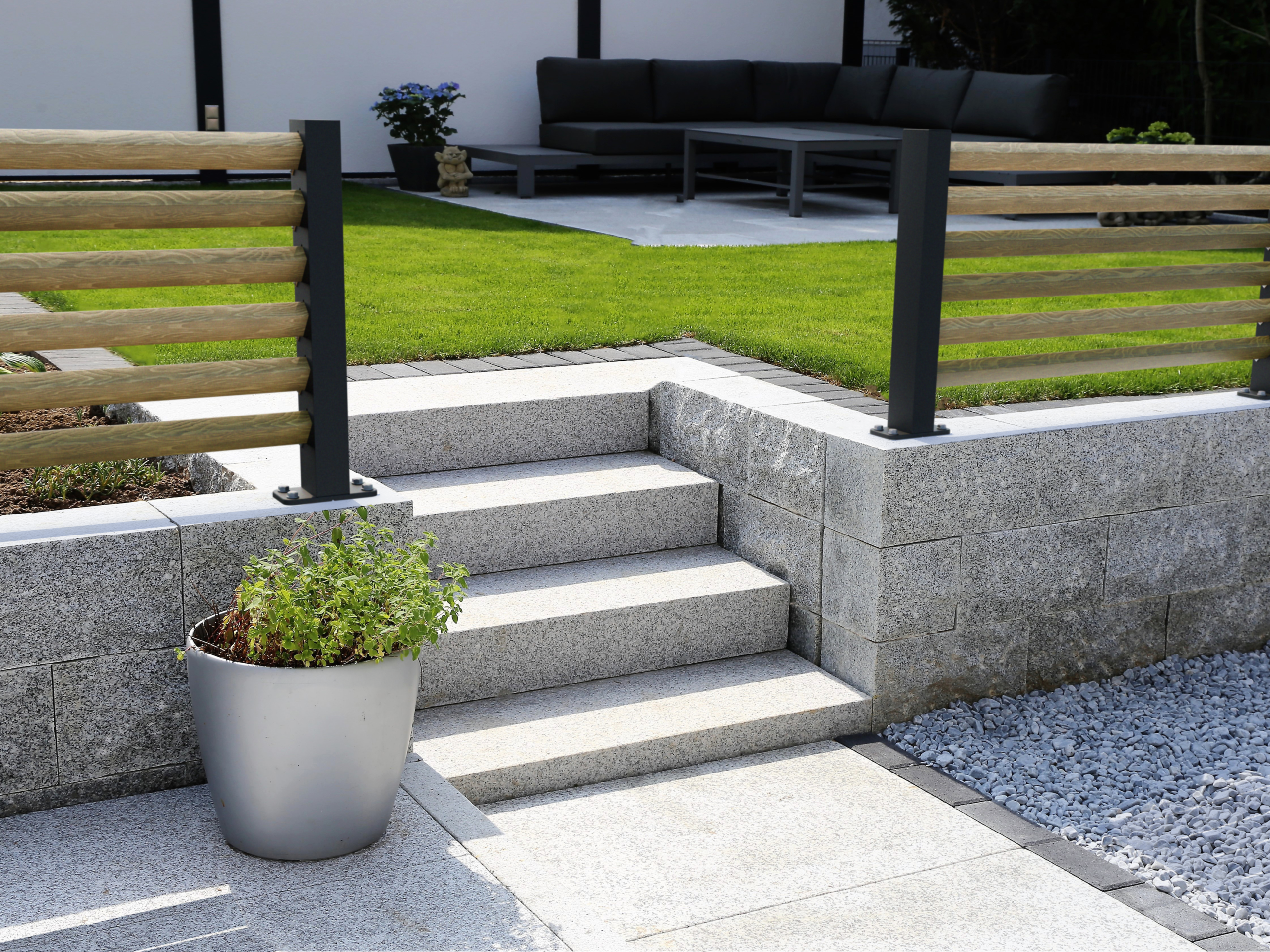
- A middle ground is to use metal for the frame and wood for the infill or crossbeams. This reduces the maintenance required for the structure while retaining the feel of wood.
Renovate or replace the wooden railing?
A freshly painted wooden railing can breathe new life into your patio at a low cost. If the wood is sound, the structure feels sturdy, and the damage is mostly superficial, repainting is usually the right choice.
However, if the posts are soft, the cracks are deep, or the railing is unstable, a coat of paint won’t be enough. In that case, the damaged parts need to be replaced, or the entire railing needs to be replaced with a new solution.
A middle ground might be to retain parts of the structure but replace the most vulnerable wooden components, such as post bases, crossbeams, or sections where moisture has taken hold.
- Repaint
- The wood is hard, the railing is sturdy, and the paint is mostly worn on the surface.
- Replace Parts
- When certain posts, crossbars, or sections are rotten but the rest of the railing is sound.
- Change the railing
- When the structure is unstable, the wood is soft, or maintenance is required too often.
Are you thinking about replacing it instead of repainting it?
If the wood is sound, repainting is usually the right choice. If the posts are rotten, the railing is unstable, or maintenance is too frequent, a new railing may be a better long-term solution.
Frequently Asked Questions About Painting Wooden Railings and Fences
Here, we answer common questions about pressure-treated lumber, moisture content, drying time, color choices, and what you should consider before repainting outdoor wooden railings or fences.
Can you paint pressure-treated wooden railings or fences right away?
No, new pressure-treated lumber needs to dry out and be exposed to the elements first. If you paint it too soon, the paint often won’t adhere as well and may start to peel as early as the first season.
How do I know if the wood is dry enough?
Check the moisture content using a simple wood moisture meter. The wood should have a moisture content of less than about 16 percent before you paint, but always follow the paint manufacturer’s instructions for the product you are using.
How often do you need to repaint a wooden railing or fence?
It depends on the treatment, weather conditions, and how exposed the wooden railing or fence is. Oil often needs to be reapplied every year, wood stain every few years, and paint typically lasts the longest when the preparatory work is done correctly.
Can you switch from opaque paint to glaze?
Only if the old opaque paint is completely removed. Wood stain needs to penetrate the wood and will not work as intended on top of a layer of opaque paint.
What is the best temperature for painting a wooden railing?
It is best to paint in dry weather and at a temperature between about 10 and 25 degrees. Avoid direct sunlight, rain, evening dew, and cold days when drying takes a long time.
Which part of the wooden railing wears out the fastest?
The top of the crossbar, the end grain, the post bases, and the horizontal surfaces often wear out the fastest. Water tends to pool there or be absorbed into the wood, so those parts need extra careful protection.
Is the RUT tax deduction applicable to painting a fence?
The Swedish Tax Agency states that painting fences or walls does not qualify for the RUT deduction. Always check the current requirements with the Swedish Tax Agency before factoring the deduction into your budget.